
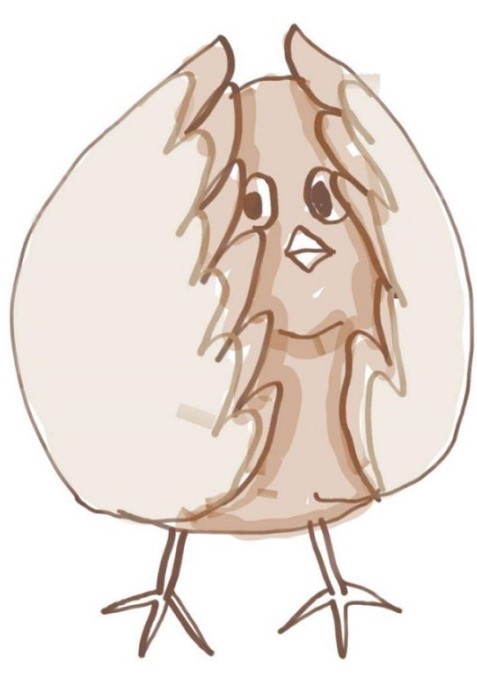
The History of Non-Literate Societies
Glimpsing the findings of cultural anthropology regarding non-literate West African societies, I find myself thinking about the ancient history of the Korean peninsula. In a society without writing, myth is not so far away. Among the Nuer, the tree from which the first human being was believed to have emerged still stood in its place as late as the 1920s. Even a transmitted genealogy is a provisional synthesis and a one-sided piece of publicity, aimed less at conveying the truth than at justifying the present situation. It is patched together, twisted, repeated, and even absorbs the genealogies of other peoples. Seen from this perspective, the debate over the reliability of the early records in the Samguk Sagi is laughable. Why are the legends of King Dongmyeong and Jumong the same story? What truth is conveyed by the myths of Sipje and Baekje, of Onjo and Biryu? Why did the royal succession of Silla alternate among the Bak, Seok, and Kim lineages? Yet if things stay as they are, Korean ancient history cannot even come close to what cultural anthropology had already accomplished back in the 1970s. Could it be that what calls itself “history” is nothing more than “the autobiography of a powerful man who climbed his way to success”? Is it really so bad to do without some great empire waiting to be rediscovered? Without serious reflection on the very nature of history, it is no different from Western-centrism in another guise.
20240904
Leave a comment