The Elephant Hunters of Bronze Age Syria (2013)
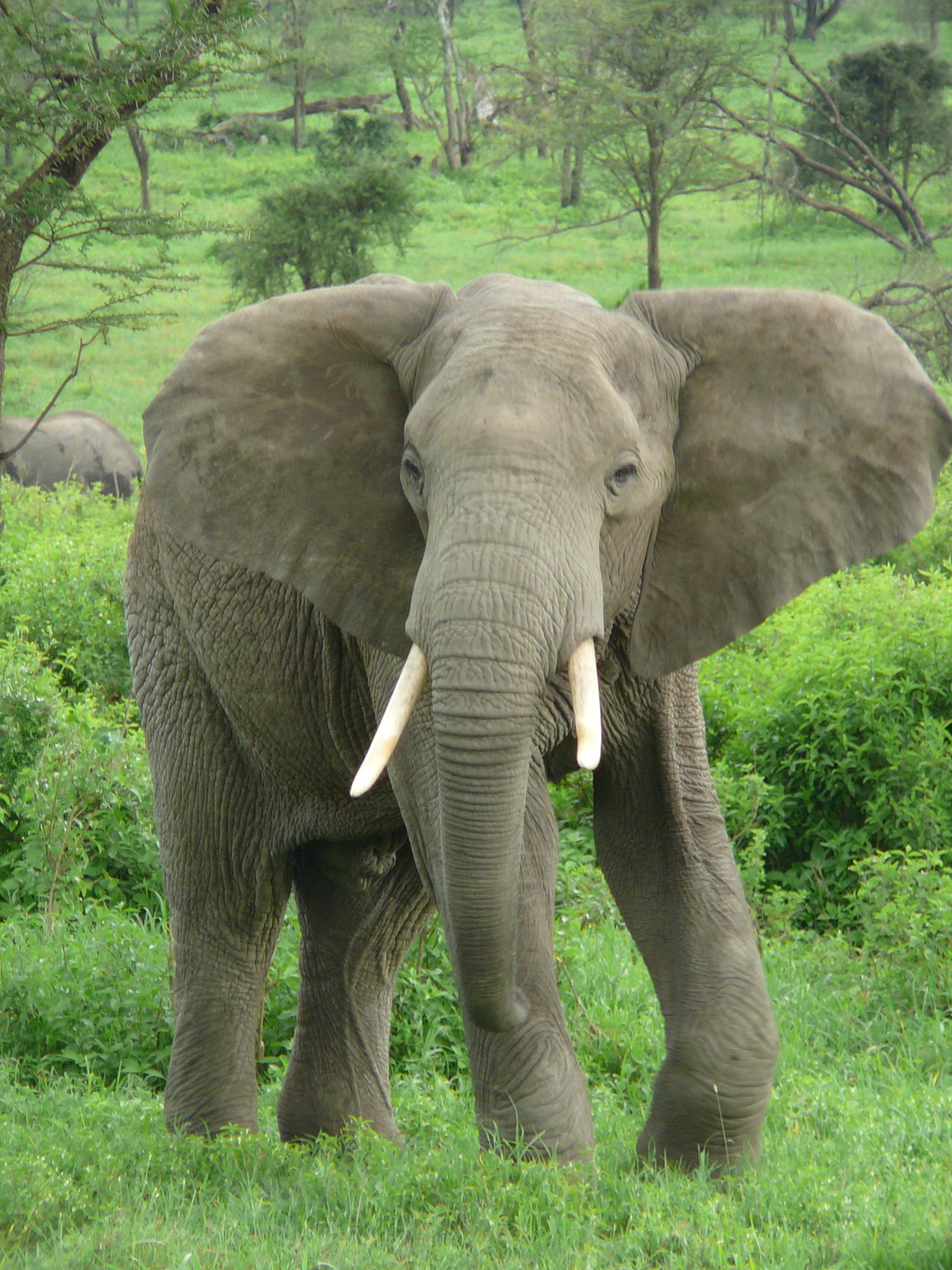
At the excavation site of the royal palace in Qatna, one of the great cities of Bronze Age Syria, two rooms filled with elephant bones were discovered. The palace appears to have been built in the Middle Bronze Age and destroyed at the end of the Bronze Age (1340 B.C.). The room containing the elephant bones is more than 5m high and measures 3 meters in width and length. The elephant bones were kept with all the meat removed. The elephants found here may perhaps have belonged to the long-extinct Syrian elephant. When the discovered bones were gathered to reconstruct the elephant, it turned out to be as large as a modern male African elephant. The bones showed no traces of having been butchered for meat, and only the large bones remained. The elephant bones may have held symbolic meaning. Perhaps they were elephants hunted by the royal court. Of course, hunting a giant elephant would have been an event worth commemorating. But this room was not one exposed to the outside. Perhaps the elephants had been hunted by someone buried in a tomb near the room. What on earth was the elephant in the Bronze Age Middle East?
There is not much evidence regarding the Early Bronze Age. Among the remains of this period, elephant bones that appear to have been roasted over fire to eat the elephant meat have been found. Judging from murals, in this period elephants were hunted in the forests of the valley along the middle Euphrates River. In the Middle Bronze Age, elephant hunting was active. It is proven through excavations and documents that the ivory trade was thriving during this period. Hunts took place all over Syria. Royal hunting events, of course, as well. People ate elephant meat. The evidence is most abundant for the Late Bronze Age. The elephant ivory trade flourished, and elephant bone was treated like jewelry. There were even elephant bone-working workshops. It could be called an elephant economy. People traded in elephants. In Anatolia and Elam, where elephants did not live, they imported elephant bone, and people hunted elephants to sell them. Elephant bone was, of course, also used in religious rituals.
The places where many elephants lived were the Orontes River valley and the central Euphrates River valley. Before development progressed in the Early Iron Age, these areas were still places with dense forests and grasslands, good for elephants to live in. Assyrian kings went elephant hunting in this Orontes River valley. There is even a record that Tiglath-Pileser I caught 4 elephants here and took them alive to Assyria. Egyptian pharaohs also came to hunt elephants. There is a record that 120 elephants were hunted to obtain ivory. For rulers, elephant hunting held symbolic meaning that enhanced their majesty. The elephant bones at Qatna, too, probably held an ideological meaning for the ruling class.
There is an argument that the Orontes River valley was not a native habitat of elephants but an elephant farm. Considering the elephant’s powerful strength and its living range, that is an impossible claim.
In conclusion, the significance of the elephant bone excavation at Qatna is as follows. First, elephants lived natively in western Syria. Second, for the ruling class, elephant hunting expressed their majesty. It was, of course, economically important as well.
20201103
Leave a comment