My Grandfather’s Story of World War II
This is a story I heard directly from my grandfather. It left a strong impression on me, so I’m writing it down. My own memory isn’t perfect either, so there may be errors. I’ll have to ask my grandfather again. So it will keep being revised.
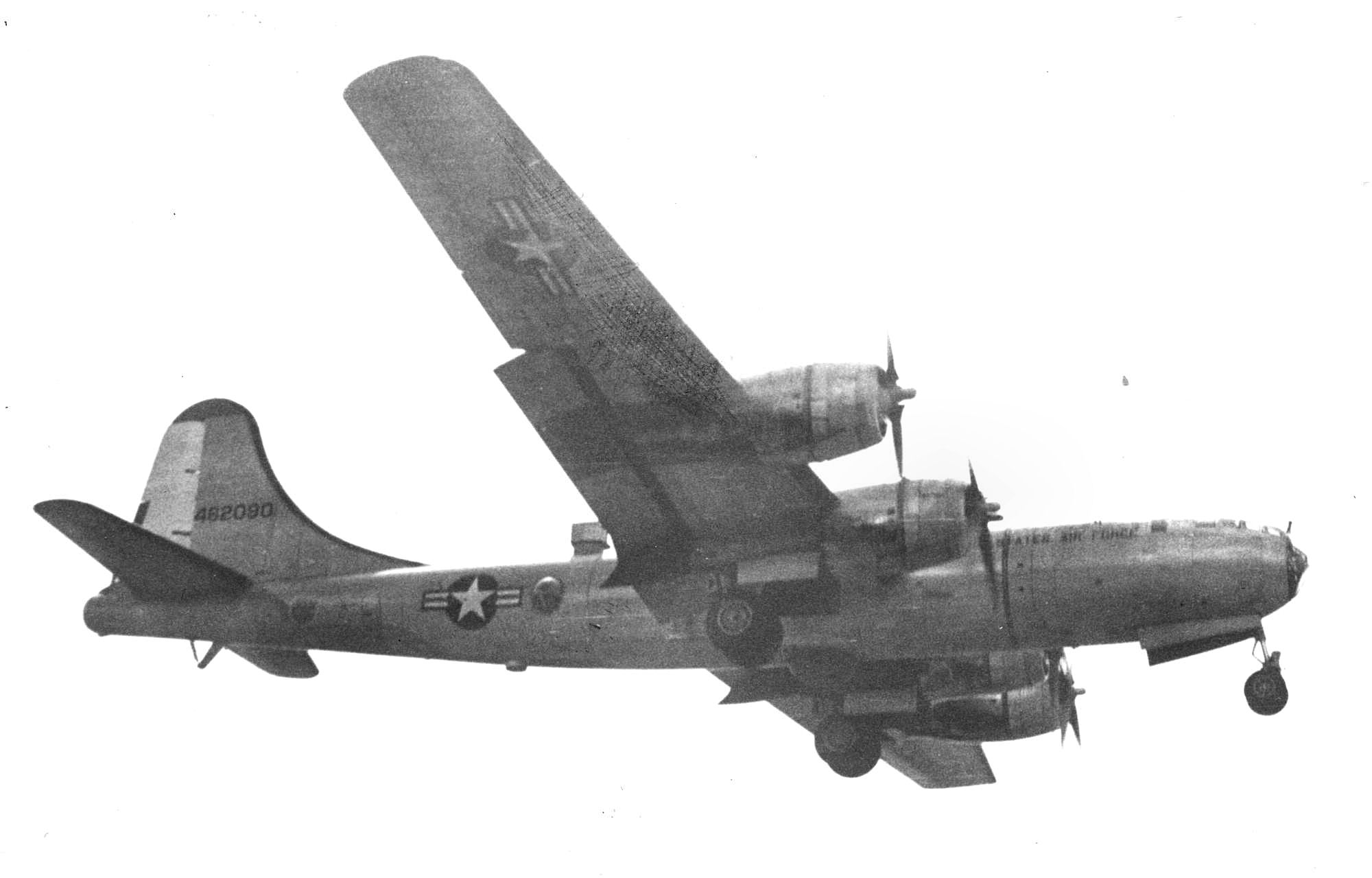
It was an early summer day in the closing days of World War II. My family lived next to the township office (Eomda-myeon, Hampyeong-gun) of a rural farming village set amid a wide plain. As was common in those days, there was an elementary school (now Eomda Elementary School) next to the township office, and Japanese troops were stationed on its playground. My grandfather, then an upper-grade elementary student, had been mobilized for government labor instead of attending class, and was working in the neighboring township (Hakgyo-myeon, Hampyeong-gun), a 30-minute walk away. The work seems to have been quite hard. While he was at it, an air-raid siren suddenly went off. The culprit was an American bomber approaching from far off in the sky. He recognized it right away, because he had already been told countless times by the authorities what an American bomber looked like and how to act when he saw one. Amid everyone’s confusion, my grandfather decided he had to run home right then. It wasn’t all that far—about a 10-minute distance if he ran. He immediately set off down the old National Route 1. He had been running for a while when a thunderous sound began to come from the sky, and my grandfather threw himself into the rice paddy beside the road. It was the season when the paddies were filled with water for rice planting, so half of his body lay submerged as he crouched down. Then, the moment something poured down from the sky, the water held in the paddy began to burst upward. Was it firing its machine guns at me? Bewildered for a moment in the exploding water, my grandfather soon realized what was happening. Spent cartridge cases were raining down from the sky. The falling shell casings were splashing the water. And so the American bomber circled overhead, blazing away for a good while. When the machine-gun fire stopped, my grandfather started running again. But in the village he reached after such a struggle, there was not a single ant to be found. The moment the bomber appeared, everyone had hidden in the air-raid shelters dug nearby. Fortunately, there were no casualties among the villagers.
As it turned out later, the American bomber had attacked the train station (the old Hakgyo Station, now Hampyeong Station) near where my grandfather had gone to work. On that day, at that very hour of the air raid, the unit stationed on the elementary school playground had been scheduled to move out by train. My grandfather said the Americans had probably gotten hold of that intelligence. But for some reason the military unit’s departure was delayed, and only the empty train got smashed to pieces. Had the Japanese army found out about the American air raid in advance? They say the sight of that enormous bomber circling in the air and unleashing its machine guns was clearly visible even from other counties far away, and remained the talk of the town for a long time. And the bullets lodged in the train station stayed right where they were for decades, remembering that day, until the station was eventually rebuilt years later.
Leave a comment